

Rubber Components
Your Professional Rubber Components Supplier
Tianjin Maojie Rubber Products Co., Ltd. is a private enterprise specializing in the integrated design and manufacturing of rubber products. Currently, the company provides customized processing services for rubber and plastic products across various industries. Its main product portfolio includes a wide range of rubber components—such as O-rings, seals, mechanical seals, and gaskets—plastic parts, molded hardware packaging, metal-plastic composites, rubber shafts, rubber rollers, and other specialized rubber products.
Customized Services
The company offers tailored manufacturing solutions based on technical drawings and specifications provided by clients. Upon submission of required documentation, we provide detailed cost estimates. Production proceeds upon client confirmation of pricing and technical requirements.
Free Sample Provision
For products requiring mold development, we offer free sample production following mold fabrication. Samples are delivered to clients for evaluation and approval. Mass production commences only after formal confirmation of sample compliance with specifications.
Advanced Production Equipment
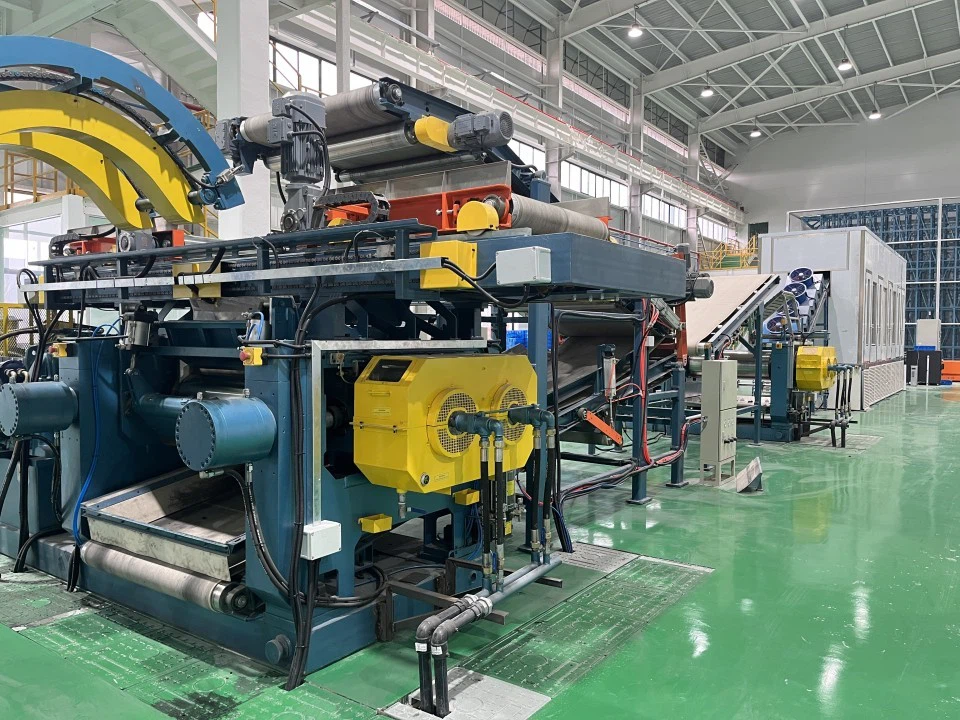
Our production line is equipped with state-of-the-art facilities, including raw material pre-treatment systems, mixing equipment, molding machines, vulcanization units, and post-processing apparatus, ensuring consistent product quality and process efficiency.
High-Quality After-Sales Service
We provide long-term mold maintenance and repair services. Our customer support team maintains regular communication with clients, promptly addresses inquiries, and ensures comprehensive after-sales support throughout the product lifecycle.


Parameter
|
Material: |
Fluororubber(FKM) |
|
Operating temperature |
-20 to 200℃ |
|
Hardness |
60A-90A, or customized |
|
Service life |
Under normal usage conditions, the service life is approximately 10 years. The specific period needs to be evaluated in combination with the actual working conditions. |
|
Function |
Achieve long-term and reliable sealing in extreme or complex environments |
|
Features |
High-temperature resistant, anti-aging, corrosion-resistant, waterproof and moisture-proof |
|
Color |
Red, blue, white, black, brown, green or custom-made |
Types of Rubber Components
The rubber components produced by our company mainly include the following types:

O Ring
Fluororubber(FKM) o- rings are mainly used for reliable sealing of liquids, gases and other media under extreme working conditions such as high temperature, low temperature and strong corrosion.

Bellows
U-shaped bellows are tubular elastic elements with a wavy shape. It is composed of several ripples, each of which is made up of two arcs with opposite normal curvatures.

Grommets
The core structure is "closed end + annular side wall" - the closed end completely covers the hole to prevent external substances from invading.

Diaphragms
The core design objective is to enhance the mechanical strength, tensile/tear resistance and structural stability of the diaphragm through the reinforcing layer, while retaining the sealing, medium resistance or flexible movement characteristics of the base diaphragm.
Advantages of Rubber Components
Elasticity and Flexibility
Rubber is highly elastic, allowing it to return to its original shape after being stretched or compressed. This makes it ideal for applications requiring flexibility and resilience, such as seals, gaskets, and vibration dampers.
Durability
Rubber components are known for their durability and ability to withstand wear and tear over time. They can endure harsh environmental conditions, including exposure to UV radiation, extreme temperatures, and chemicals, without significant degradation.
Shock Absorption
Rubber's natural ability to absorb shocks and vibrations makes it an excellent material for use in automotive suspensions, machinery mounts, and protective equipment. This property helps reduce noise and prevent damage to other components.
Water and Air Resistance
Rubber is inherently resistant to water and air, making it an excellent choice for sealing applications. It is commonly used in O-rings, gaskets, and hoses to prevent leaks and ensure airtight or watertight seals.
Electrical Insulation
Rubber is a good electrical insulator, which makes it suitable for use in electrical cables, connectors, and protective gear. It helps prevent electrical conductivity and reduces the risk of short circuits or electrical shocks.
Chemical Resistance
Many types of rubber, such as nitrile and silicone, offer excellent resistance to a wide range of chemicals, including oils, acids, and solvents. This makes rubber components ideal for use in chemical processing, automotive, and industrial applications.
Cost-Effectiveness
Rubber components are generally cost-effective to produce, especially when manufactured in large quantities. Their long lifespan and low maintenance requirements further contribute to their economic advantages.
Comfort and Safety
In consumer products, rubber is often used for its softness and grip, providing comfort and safety. Examples include rubber grips on tools, footwear soles, and ergonomic handles.
Applications of Rubber Components
Manufacturing and Machinery
Rubber components are widely used in machinery and industrial equipment for parts such as machine feet, grommets, vibration isolators, conveyor belts, and O-rings. These components minimise vibration and noise, protect moving parts, and ensure efficient operation.
Oil and Gas Industry
Operating under extreme conditions, the oil and gas industry requires components that can withstand high pressure, high temperatures, and corrosive environments. Rubber components such as seals, gaskets, and diaphragms are essential for maintaining the safety and functionality of pipelines, valves, and processing equipment.
Aerospace and Defence
Precision, reliability, and high performance are essential in the aerospace and defence industries. Rubber is used for seals, vibration isolation, environmental protection, and fluid transfer systems. Delta Rubber delivers engineered solutions to meet these critical standards.
Marine and Renewable Energy
Marine environments require rubber components that resist saltwater, UV exposure, and mechanical wear. In renewable energy systems such as wind and solar, rubber components are used for vibration damping, insulation, and environmental protection.
Manufacturing Process of Rubber Components
Molding
Molding is the process of shaping rubber by placing it into a mold and applying heat and pressure. This method ensures precise designs and dimensions, making it suitable for creating products like seals, gaskets, and tires. Once molded, the rubber undergoes curing to enhance its properties.
Extrusion
Extrusion is a continuous process in which raw rubber is forced through a shaped die to produce hoses, tubes, and profiles. The extruded material is then cured to achieve its final strength and elasticity. Rubber extrusion is favored for its strength to create long, consistent product lengths.
Vulcanization and Calendering
Vulcanization chemically improves rubber’s elasticity and durability by cross-linking its molecular structure through heat and sulfur additives. Calendering, paired with vulcanization, involves rolling rubber into thin sheets or bonding it to fabrics, creating materials for applications like conveyor belts and flooring.
Compounding
Rubber compounding involves mixing raw rubber with additives such as fillers, softeners, and colorants to enhance performance. This step customizes the rubber’s physical properties to specific industrial requirements, such as flexibility, tensile strength, and resistance to heat or chemicals.
Laminating and Coating
Laminating and coating add layers of rubber to other surfaces, such as fabrics or metals, to improve durability, water resistance, or insulation. This process is commonly used in fabricating protective coverings, adhesives, and specialty industrial products.

Temperature
Storage temperatures should not exceed 50°C. Low temperatures are not permanently harmful provided the rubber items are handled carefully and not distorted. When taken from low temperatures items should be raised to approximately 30°C before they are used.
Humidity
Optimum humidity is about 65% in a draft-free atmosphere.
Light
Protection from direct sunlight and strong artificial light with a high ultraviolet content is important. Unless packed in opaque containers, it is advisable to cover windows with red or orange screens or coatings.
Customizable Options
Color
Size
Shape
Surface treatment
Package
Packaging and Shipping
|
Packaging |
Plastic bag, Carton |
|
Shipping |
Air freight, Sea freight, Train Express |
Our Factory
The company is located in Tianjin. Since its establishment, the company has continuously cultivated new employees and absorbed innovative ideas.