

I. Rubber's "Dual Identity": The Game Between Natural and Synthetic Rubber is not a single material, but a general term for two major systems: natural rubber and synthetic rubber. Each has its own advantages and jointly meets the needs of different scenarios. Natural rubber is derived from the milky white sap of rubber trees, processed through coagulation, drying, calendering and other processes. It has ultra-high elasticity (elongation rate up to 1000%), excellent wear resistance and tear resistance, making it an ideal raw material for core components such as tires and seals. However, the performance of natural rubber is greatly affected by climate and origin, and its stability is insufficient in high-temperature and oil-contaminated environments. Synthetic rubber is a "technological product" of the industrial age, made from petroleum and natural gas with customized performance through chemical synthesis technology. For example, oil-resistant nitrile rubber is often used in mechanical seals, high-temperature-resistant silicone rubber can be made into aerospace-grade sealing components, and cold-resistant neoprene is suitable for polar equipment. Synthetic rubber makes up for the shortcomings of natural rubber and has become a "necessary material" in special environments.

II. "Elastic Magic" in Life: The Daily Penetration of Rubber Products Rubber products have long been integrated into every detail of life, using technology to enhance comfort and safety. Sports shoe soles are made of foamed rubber, achieving the dual advantages of "lightweight + cushioning" through microporous structure design-they can absorb more than 80% of ground impact force when walking, effectively protecting joints. Food-grade silicone kitchenware in the kitchen can withstand temperatures up to 230℃, which can not only directly contact food but also resist oil pollution, leaving no residue after cleaning, and has become a must-have for healthy cooking. In home scenes, rubber accessories such as non-slip door handles, silent door stoppers, and shockproof table mats quietly resolve friction and noise in life; soft rubber components in children's toys pass non-toxic certification to ensure children's safety when playing; even the ear loops of masks we commonly use are made of high-elasticity rubber, balancing fit and wearing comfort.
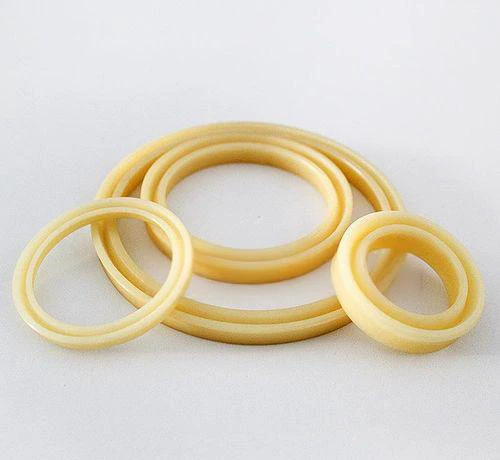
III. "Hardcore Pillar" in Industrial and Technological Fields In the fields of industry and high-end manufacturing, the performance requirements for rubber products are more stringent, making them a key support for technological breakthroughs. Automobile tires are a typical representative of rubber applications: composed of natural rubber, synthetic rubber, carbon black, sulfur and other materials, after vulcanization treatment, they have both wear resistance, aging resistance and grip. A high-quality tire can withstand extreme temperatures from -40℃ to 70℃, with a service life of more than 80,000 kilometers. In the aerospace field, sealed rubber components are the "safety barrier" of spacecraft. Seals made of special synthetic rubber can maintain tightness in a temperature difference environment of -50℃ to 200℃, withstand the impact of high-pressure gas without leakage, and ensure the stable operation of spacecraft. The medical industry has extremely high requirements for the sterility and compatibility of rubber products. Medical latex gloves are made of high-purity natural rubber, which after sterilization can not only isolate bacteria and viruses but also ensure the flexibility of medical staff's operations; rubber tubes used for drug delivery have corrosion resistance, avoiding reactions between drug components and rubber, and safeguarding medication safety.
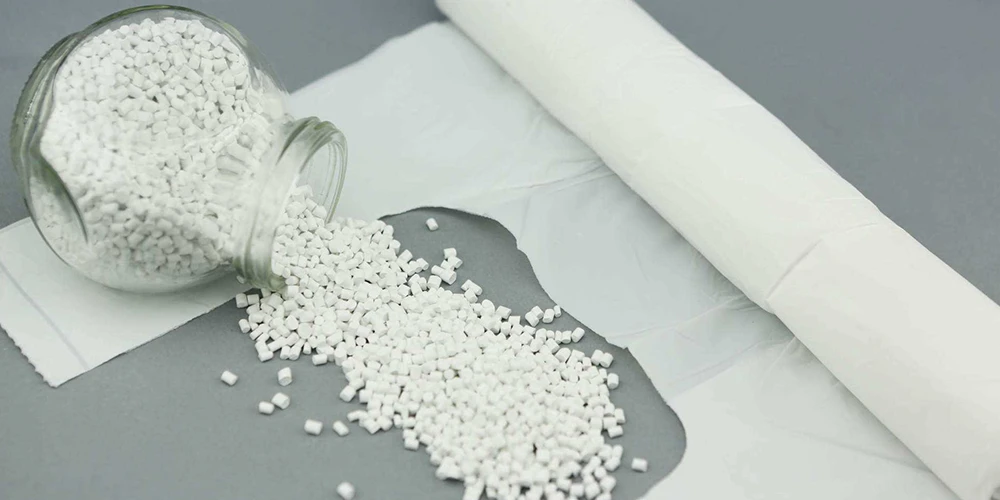
IV. Future Trends: Dual Upgrade of Environmental Protection and Intelligence With the advancement of technology, rubber products are accelerating iteration towards environmental protection and intelligence. In terms of environmental protection, degradable rubber materials have become a research hotspot. Such materials can be decomposed by microorganisms in the natural environment, effectively solving the environmental problem that traditional rubber is difficult to recycle. At present, degradable rubber has been applied to disposable tableware, agricultural mulch films and other products, and is expected to replace more traditional rubber products in the future. The emergence of smart rubber has opened up a new track. By embedding sensors in rubber, real-time monitoring of pressure, temperature, deformation and other data can be achieved. For example, smart rubber shoe soles can record walking gait, providing data support for health management; industrial smart rubber seals can monitor equipment operation status and early warn of failure risks.
From ordinary daily necessities to cutting-edge technological equipment, rubber products write innovation stories with elasticity and toughness. In the future, with the continuous breakthrough of material technology, this "invisible cornerstone" will shine in more fields and continue to reshape our lives.


