

Rollers play a diverse and crucial role in a car's engine system, contributing to various functions that ensure the smooth operation, efficiency, and reliability of the vehicle. As a dedicated rollers supplier, I've witnessed firsthand how these unassuming components are integral to the overall performance of automotive engines.
I. Fundamental Functions of Rollers in a Car Engine
- Timing Chain or Belt Roller Support
In the engine's valve - train system, timing chains or belts are used to synchronize the rotation of the crankshaft and the camshaft. Rollers are employed to guide and support these timing chains or belts. They help reduce friction as the chain or belt moves, which is essential for maintaining the correct timing of the engine's valves. Precise valve timing ensures that the intake and exhaust valves open and close at the right moments, optimizing the engine's combustion process.
For example, if the timing belt jumps a tooth due to excessive friction or misalignment, it can lead to poor engine performance, increased emissions, and in severe cases, engine damage. The roll - centered design of these rollers allows for smooth rotation, minimizing wear and tear on the chain or belt.
- Tensioner Rollers
Tensioner rollers are specifically designed to maintain the proper tension in the timing chain or belt. The tension needs to be just right; too loose, and the chain or belt may slip; too tight, and it can cause excessive wear on the components. Tensioner rollers adjust automatically to changes in temperature and engine speed, ensuring consistent tension throughout the engine's operation.
These rollers are often equipped with springs or hydraulic mechanisms that apply the appropriate pressure to the chain or belt. They are typically made from high - strength materials such as hardened steel or high - quality polymers, which can withstand the high forces and temperatures present in the engine compartment.
- Idler Rollers
Idler rollers serve as simple guides in the engine's accessory drive system. The accessory drive system uses a belt to power components such as the alternator, water pump, power steering pump, and air conditioning compressor. Idler rollers help route the belt around these components in an efficient and orderly manner.
They also help prevent the belt from flopping or vibrating, which can cause noise, premature wear, and even belt failure. By providing a stable path for the belt, idler rollers contribute to the reliable operation of all the engine accessories, ensuring that the vehicle can power its electrical systems, cool the engine, and operate other essential functions.
II. Material and Design Considerations
- Material Selection
The choice of materials for rollers in a car engine is critical. For rollers that are in direct contact with the chain or belt, such as timing chain rollers, high - strength materials are required to withstand the high - speed rubbing and abrasion. Hardened steel is a popular choice as it offers excellent wear resistance and durability.
In some cases, nylon or other engineered polymers are used, especially for components where weight reduction is a priority. These polymers can provide sufficient strength while reducing the overall weight of the engine, which in turn can improve fuel efficiency. The surface treatment of the rollers also plays an important role. For example, rollers can be coated with a low - friction material to further reduce the energy loss due to friction.
- Design for Optimal Performance
The design of the rollers takes into account factors such as load distribution, rotation smoothness, and noise reduction. Rollers are designed with a precise diameter and width to match the specific requirements of the chain, belt, or accessory they are used with.
The shape of the roller's contact surface is carefully engineered to ensure even pressure distribution. For example, crowned rollers are often used in timing belt applications to prevent the belt from slipping off to the side. Additionally, the internal bearings of the rollers are designed to operate quietly and with minimal resistance, ensuring a smooth and efficient running of the engine system.
III. Our Range of Rollers for Car Engines
As a prominent rollers supplier, we offer a wide variety of rollers suitable for different aspects of a car's engine system. Our Rubber - metal Laminated Roller is a unique solution that combines the flexibility of rubber with the strength of metal. This type of roller can be used in applications where shock absorption and noise reduction are required. The rubber layer can dampen vibrations, reducing the noise generated by the engine's moving parts, while the metal core provides the necessary structural support.
Our Rubber Roller For Printing Machine is also adaptable for certain engine accessory drive systems. Although originally designed for the printing industry, its high - quality rubber construction and precise manufacturing ensure smooth operation. It can be customized to fit the specific belt - driven components in a car's engine, providing reliable performance.

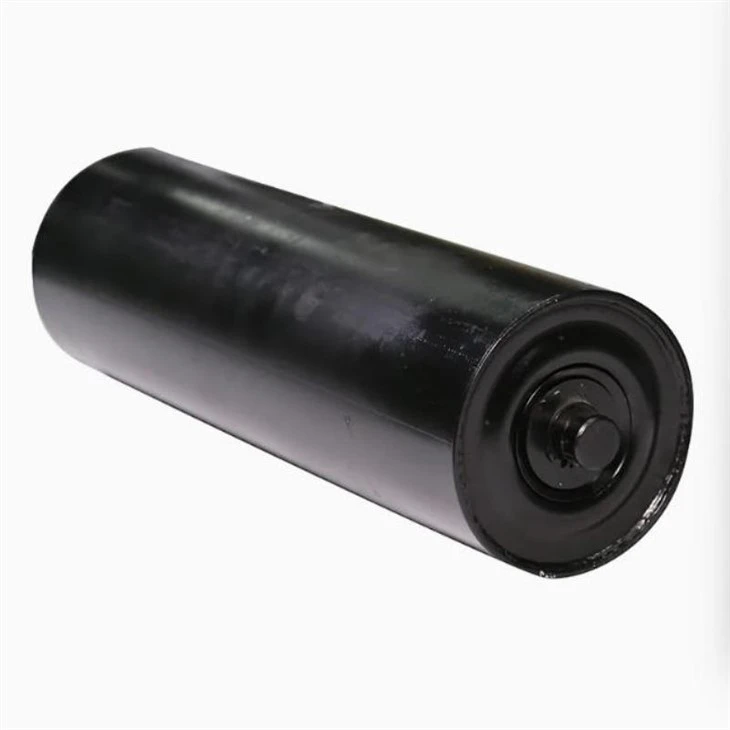
The Rubber Metal Packaging Roller in our product line offers a combination of metal strength and rubber's flexibility. This type of roller can handle both high loads and provide shock - absorbing capabilities, making it a viable option for use in engine systems where durability and vibration control are key considerations.
IV. The Impact of Quality Rollers on Engine Longevity and Performance
- Reduced Wear and Tear
High - quality rollers significantly reduce wear and tear on the engine's timing chains, belts, and other components. By minimizing friction, they prevent premature degradation of these parts. For example, a well - designed tensioner roller ensures that the timing belt maintains the correct tension, reducing the likelihood of the belt stretching or cracking over time.
This reduces the frequency of component replacements, saving both time and money for vehicle owners. Moreover, reduced wear on the engine's moving parts means fewer metal particles are generated, which can contaminate the engine oil and cause further damage.
- Enhanced Engine Efficiency
Rollers that operate smoothly and with low friction contribute to improved engine efficiency. Since they reduce the energy loss due to friction in the valve - train and accessory drive systems, more of the engine's power can be used to drive the vehicle forward.
This translates into better fuel economy and reduced emissions. For example, a well - maintained idler roller in the accessory drive system ensures that the alternator, water pump, and other components are driven with minimal energy waste, helping the engine operate more efficiently.
- Improved Reliability
The reliability of a car's engine is directly related to the performance of its components, including the rollers. Quality rollers are less likely to fail, which means fewer breakdowns and a more reliable vehicle. A failed timing chain roller, for instance, can cause the timing chain to derail, leading to a catastrophic engine failure.
By using high - quality rollers from a trusted supplier, vehicle manufacturers and owners can have greater confidence in the long - term performance of the engine.
V. Contact Us for Your Roller Needs
If you are in the automotive industry, whether you are a car manufacturer, an engine repair shop, or a distributor, we understand the importance of having reliable and high - quality rollers for your car engines. Our team of experts is ready to assist you in selecting the most suitable rollers for your specific applications.
We offer not only a diverse range of products but also professional advice on installation, maintenance, and performance optimization. Whether you need a small quantity for testing or a large - scale production order, we can meet your requirements.
Don't hesitate to reach out to start a partnership that can enhance the performance and reliability of your car engines. We look forward to discussing your needs and providing you with the best roller solutions.
References
- Andrew Automotive Engineering Handbook, which provides in - depth knowledge on engine components and their functions.
- SAE International publications on automotive design and materials, offering insights into the latest developments in roller technology for car engines.
- Technical reports from major car manufacturers that detail the requirements for rollers in their engine systems.


