

Hey there! As a supplier of PBT Extruded Parts, I've had my fair share of experiences with these nifty components. They're used in a whole bunch of industries, from automotive to electronics, and they've got some great properties. But like anything in life, they've also got their limitations. In this blog, I'm gonna break down some of the key limitations of PBT extruded parts that you should know about.
1. Brittleness at Low Temperatures
One of the first things you'll notice about PBT extruded parts is that they can get pretty brittle when the temperature drops. PBT, or Polybutylene Terephthalate, has a relatively high glass transition temperature. When the temperature goes below this point, the material loses its flexibility and becomes more prone to cracking and breaking.
This is a big deal in applications where the parts are exposed to cold environments. For example, in automotive applications, PBT extruded parts used in exterior components like bumpers or trim pieces can be at risk of damage during winter months. If a car hits a small object or experiences a minor impact when it's cold outside, these brittle PBT parts might crack or shatter.
In the electronics industry, PBT parts used in outdoor enclosures for equipment can also face similar issues. Cold weather can make the enclosures more vulnerable to physical damage, which could then expose the internal electronics to the elements.
2. Chemical Resistance Limitations
While PBT has decent chemical resistance, it's not invincible. There are certain chemicals that can cause problems for PBT extruded parts. For instance, strong acids and bases can attack the PBT material, leading to degradation and a loss of mechanical properties.
In industrial settings where PBT parts are used in chemical processing equipment or storage containers, exposure to aggressive chemicals can be a real headache. If a PBT part comes into contact with a corrosive chemical, it might start to swell, crack, or lose its structural integrity over time. This can not only lead to the failure of the part but also pose safety risks in some cases.
Even in more common applications like household appliances, PBT parts can be affected by certain cleaning chemicals. If you use a harsh cleaner on a PBT plastic part in your dishwasher or washing machine, it could potentially damage the part and reduce its lifespan.
3. UV Stability Issues
PBT extruded parts aren't the best when it comes to resisting the effects of ultraviolet (UV) radiation. When exposed to sunlight over an extended period, PBT can undergo a process called photodegradation. This means that the UV rays break down the chemical bonds in the PBT material, causing it to become brittle, discolored, and lose its mechanical strength.
For outdoor applications, this is a major drawback. PBT parts used in outdoor furniture, signage, or even in some architectural elements can start to show signs of wear and tear after just a few months of sun exposure. The discoloration can make the parts look unappealing, and the loss of strength can compromise their functionality.
To address this issue, some manufacturers add UV stabilizers to the PBT material during the extrusion process. However, these stabilizers can only do so much, and over time, the parts will still be affected by UV radiation.
4. Processing Challenges
Extruding PBT parts isn't always a walk in the park. PBT has a relatively high melting point and a narrow processing window. This means that the temperature and pressure during the extrusion process need to be carefully controlled.
If the temperature is too low, the PBT material might not melt properly, leading to poor flow and uneven distribution in the extrusion die. This can result in parts with inconsistent wall thickness, surface defects, or even internal voids. On the other hand, if the temperature is too high, the PBT can start to degrade, which can also affect the quality of the final part.
The narrow processing window also means that any small fluctuations in the extrusion equipment or process parameters can have a big impact on the quality of the PBT extruded parts. This requires skilled operators and precise equipment to ensure consistent production.
5. Cost Considerations
Compared to some other plastics, PBT can be relatively expensive. The raw material itself is often pricier than more common plastics like polyethylene or polypropylene. And when you factor in the cost of processing, which can be more complex due to the challenges I mentioned earlier, the overall cost of PBT extruded parts can add up.

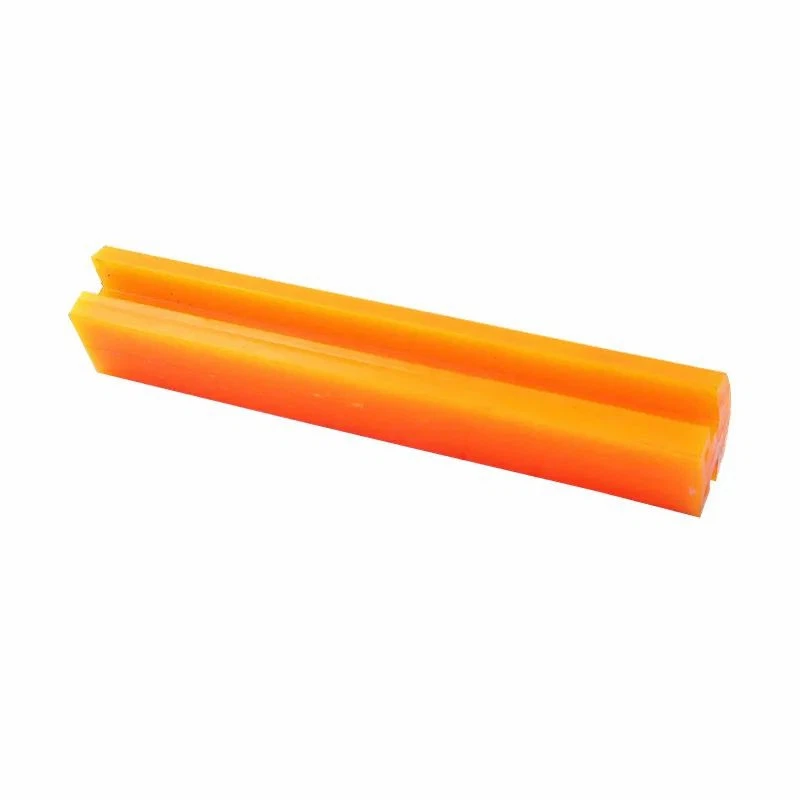
In cost-sensitive industries, this can be a significant limitation. For example, in the consumer goods market, manufacturers are always looking for ways to keep costs down to remain competitive. If a PBT part is significantly more expensive than an alternative plastic part, it might not be the first choice for the manufacturer.
However, it's important to note that PBT does offer some unique properties that might justify the higher cost in certain applications. For example, its high strength and good dimensional stability can make it a better option for parts that need to withstand high stress or maintain precise dimensions.
6. Limited Flame Retardancy
In some applications, especially in the electronics and building industries, flame retardancy is a crucial requirement. While PBT can be made flame retardant by adding special additives, the base PBT material itself has limited flame retardant properties.
In electronics, PBT parts used in circuit boards or electrical enclosures need to meet strict fire safety standards. If the PBT parts don't have adequate flame retardancy, they could contribute to the spread of fire in the event of an electrical malfunction.
In building construction, PBT parts used in interior finishes or structural components also need to be fire-resistant. Without proper flame retardant treatment, PBT parts might not be suitable for use in areas where fire safety is a top concern.
Conclusion
So, there you have it - some of the main limitations of PBT extruded parts. But don't get me wrong, PBT still has a lot going for it. It's a versatile material with good mechanical properties, dimensional stability, and chemical resistance in many cases. And in some applications, the benefits far outweigh the limitations.
If you're in the market for plastic extruded parts and you're considering PBT, it's important to weigh these limitations against your specific requirements. And if you're not sure whether PBT is the right choice for your project, we're here to help. As a supplier of PBT Extruded Parts, we've got the expertise to guide you through the selection process.
We also offer other types of extruded parts, like Polyurethane Extruded Parts and Extruded Irregular Plastic Parts. If PBT doesn't quite fit the bill, one of these alternatives might be a better option for you.
If you're interested in learning more about our products or have a specific project in mind, don't hesitate to reach out. We're always happy to have a chat and see how we can help you with your plastic extruded part needs.
References
- "Plastic Materials: Properties and Applications" by John Murphy
- "Handbook of Polymer Science and Technology" edited by Herman F. Mark
