

Hey there! As a rollers supplier, I've seen my fair share of issues with rollers slipping. It's a common problem that can cause all sorts of headaches, from reduced efficiency to product damage. But don't worry, I'm here to share some tips on how you can prevent rollers from slipping.
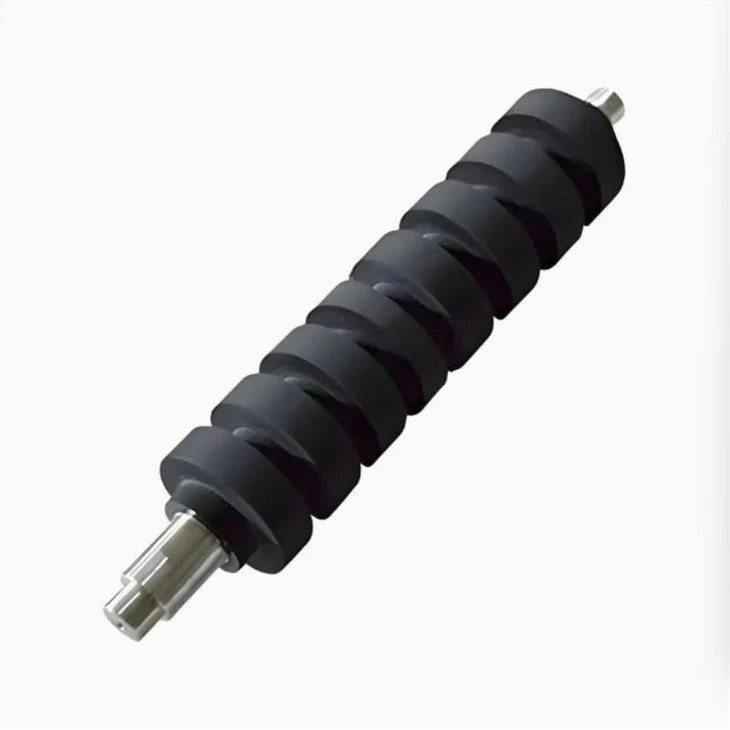

First off, let's talk about the reasons why rollers slip. There are several factors that can contribute to this problem. One of the main causes is improper surface contact. If the roller surface isn't clean or has the wrong texture, it won't grip properly. Another factor is the load on the rollers. If they're overloaded, they're more likely to slip. And then there's the issue of speed. If the rollers are moving too fast, it can also lead to slipping.
So, how do we fix these issues? Well, the first step is to make sure the roller surface is clean and in good condition. Regular cleaning is essential. You can use a mild detergent and a soft cloth to wipe down the rollers. This will remove any dirt, debris, or oil that might be preventing a good grip. Also, check for any signs of wear and tear. If the surface is damaged, it might need to be replaced.
The texture of the roller surface is also crucial. Different applications require different textures. For example, Rubber Roller For Printing Machine often need a smooth surface to ensure even ink distribution. On the other hand, rollers used in heavy - duty conveyor systems might need a rougher texture for better traction. You need to choose the right type of roller based on your specific needs.
When it comes to load management, it's important to know the weight capacity of your rollers. Overloading can cause excessive stress on the rollers, leading to slipping. Make sure you're not putting more weight on the rollers than they can handle. If you need to move heavier loads, consider using multiple rollers or upgrading to rollers with a higher weight capacity.
Speed control is another key factor. If the rollers are moving too fast, the friction between the roller and the material it's in contact with might not be enough to prevent slipping. You can install speed - control mechanisms to ensure that the rollers are operating at an optimal speed. This will help maintain a good grip and prevent slipping.
Another thing to consider is the environment in which the rollers are operating. If it's a wet or oily environment, slipping is more likely to occur. In such cases, you can use rollers with special coatings or materials that are resistant to moisture and oil. For instance, Rubber - metal Laminated Roller can be a great option as they combine the flexibility of rubber with the strength of metal and can offer better performance in challenging environments.
Proper alignment of the rollers is also vital. Misaligned rollers can cause uneven pressure distribution, which can lead to slipping. Regularly check the alignment of your rollers and make adjustments as needed. You can use alignment tools to ensure that the rollers are perfectly straight and parallel to each other.
Lubrication is a double - edged sword. While it can reduce friction in some cases, too much lubrication can actually cause slipping. Make sure you're using the right amount of lubricant and the right type for your rollers. If you're not sure, consult with a professional or the roller manufacturer.
Now, let's talk about the materials used in rollers. Different materials have different friction coefficients. Rubber is a popular choice for many applications because it has a relatively high friction coefficient, which means it can grip well. However, not all rubber is created equal. Rubber Metal Coating Roller offers a unique combination of the properties of rubber and metal. The rubber coating provides good traction, while the metal core gives the roller strength and stability.
In addition to these technical solutions, regular maintenance is essential. Set up a maintenance schedule to inspect the rollers regularly. Check for any loose parts, signs of wear, or other issues. Replace any worn - out components promptly to prevent further problems.
Training your staff is also important. Make sure they know how to operate the equipment properly and understand the importance of preventing roller slipping. They should be aware of the weight limits, speed controls, and other safety measures.
If you're still having problems with roller slipping after trying these solutions, don't hesitate to reach out for help. As a rollers supplier, I'm always here to offer advice and support. Whether you need to choose the right type of roller, troubleshoot a problem, or get maintenance tips, I've got you covered.
In conclusion, preventing rollers from slipping requires a combination of proper surface preparation, load management, speed control, environmental considerations, and regular maintenance. By following these tips, you can ensure that your rollers operate smoothly and efficiently, reducing downtime and improving productivity.
If you're in the market for high - quality rollers or need help with roller - related issues, feel free to contact me. I'm confident that I can provide you with the right solutions for your specific needs. Let's work together to keep your operations running smoothly!
References
- Roller Manufacturing Industry Best Practices Guide
- Handbook of Material Friction and Wear Properties
