

Hey there! As a bellows supplier, I often get asked a bunch of questions about bellows. One question that pops up quite frequently is, "Do bellows need to be lubricated?" Well, let's dive right into this topic and find out.
First off, let's understand what bellows are. Bellows are flexible containers that can be compressed to expel air or fluid inside them. They come in various shapes and sizes, and are used in a wide range of applications. For example, U-shaped Bellows are commonly used in applications where a certain degree of flexibility and movement is required. Hydraulic Bellows are designed to work in hydraulic systems, and Toroidal (Ω-shaped) Bellows have their own unique applications too.
Now, back to the question of lubrication. Whether bellows need to be lubricated or not depends on several factors. One of the main factors is the material the bellows are made of. Bellows can be made from different materials such as rubber, metal, or plastic.
If the bellows are made of rubber, lubrication might be a bit tricky. Rubber has its own set of properties, and some lubricants can actually damage the rubber. For instance, certain petroleum - based lubricants can cause the rubber to swell, crack, or degrade over time. However, there are specialized rubber - compatible lubricants available. These lubricants are designed to protect the rubber from wear and tear, reduce friction, and extend the lifespan of the bellows. If the rubber bellows are used in an application where there is a lot of movement or contact with other surfaces, a proper lubricant can prevent the rubber from sticking and wearing out prematurely.
Metal bellows, on the other hand, often benefit from lubrication. Metal - to - metal contact can generate a significant amount of friction. When metal bellows are compressed and expanded repeatedly, this friction can lead to wear, heat generation, and even corrosion in some cases. A good lubricant can reduce the friction between the metal parts, making the movement of the bellows smoother. It can also act as a barrier against moisture and oxygen, which helps in preventing corrosion. There are different types of lubricants suitable for metal bellows, such as silicone - based lubricants or dry film lubricants.
Plastic bellows also have their own considerations when it comes to lubrication. Some plastics are sensitive to certain chemicals in lubricants. Just like with rubber, using the wrong lubricant can cause the plastic to deform or lose its mechanical properties. But when the right lubricant is used, it can improve the performance of plastic bellows. For example, in applications where the plastic bellows need to slide over other surfaces, a lubricant can reduce the resistance and make the operation more efficient.
Another factor to consider is the application environment. If the bellows are used in a clean and dry environment, the need for lubrication might be less compared to a harsh or dirty environment. In a dirty environment, dust, dirt, and debris can get trapped between the bellows' folds. This can cause abrasion and increase the friction. Lubrication can help in keeping these contaminants away and reducing the damage caused by them.
For example, in industrial settings where bellows are used in machinery, the environment can be quite harsh. There might be high temperatures, chemicals, and a lot of mechanical stress. In such cases, lubrication is often necessary to ensure the proper functioning of the bellows. On the other hand, if the bellows are used in a consumer product like a small household appliance in a relatively clean environment, the need for lubrication might be minimal.
The frequency of use also plays a role. If the bellows are used frequently, they are more likely to experience wear and tear. Regular lubrication can help in maintaining their performance over time. For example, in a pneumatic system where the bellows are constantly being compressed and expanded, lubrication at regular intervals can prevent premature failure.
Now, let's talk about how to lubricate bellows properly. First of all, you need to choose the right lubricant for the material of the bellows. Read the manufacturer's recommendations carefully. If you're not sure, you can always contact us as your bellows supplier. We have the expertise to recommend the most suitable lubricant for your specific bellows.
When applying the lubricant, make sure to do it evenly. For rubber and plastic bellows, you can use a soft brush or a cloth to apply the lubricant gently to the surface. For metal bellows, you can use a spray lubricant or apply it with a dropper in hard - to - reach areas.
It's also important not to over - lubricate. Too much lubricant can attract more dirt and debris, which can actually cause more problems. Just apply the right amount as recommended.
In conclusion, whether bellows need to be lubricated or not is not a one - size - fits - all answer. It depends on the material of the bellows, the application environment, and the frequency of use. As a bellows supplier, we understand the importance of getting this right. We can provide you with high - quality bellows and also offer advice on lubrication and maintenance.

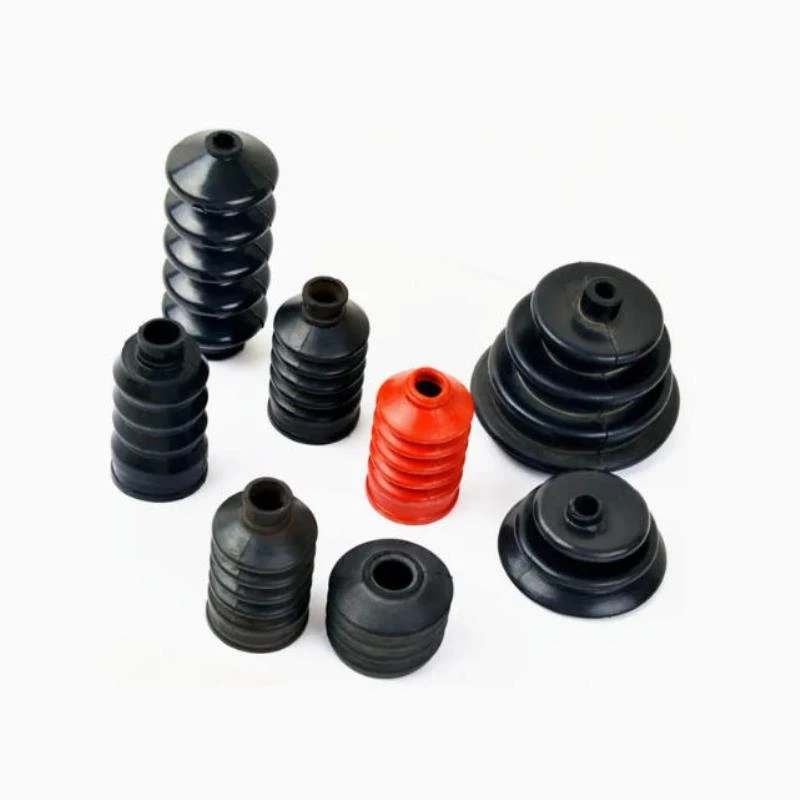
If you're in the market for bellows or have any questions about lubrication or other aspects of bellows, don't hesitate to reach out. We're here to help you make the best choices for your specific needs. Whether you need U-shaped Bellows, Hydraulic Bellows, or Toroidal (Ω-shaped) Bellows, we've got you covered.
References
- "Handbook of Bellows Design and Applications"
- "Materials Science for Bellows"
- Industry research reports on bellows usage and maintenance


