

Hey there! As a bellows supplier, I often get asked if bellows can be used in a laboratory setting. Well, the short answer is yes, and in this blog, I'll dive deep into why bellows are not only suitable but also quite handy in labs.
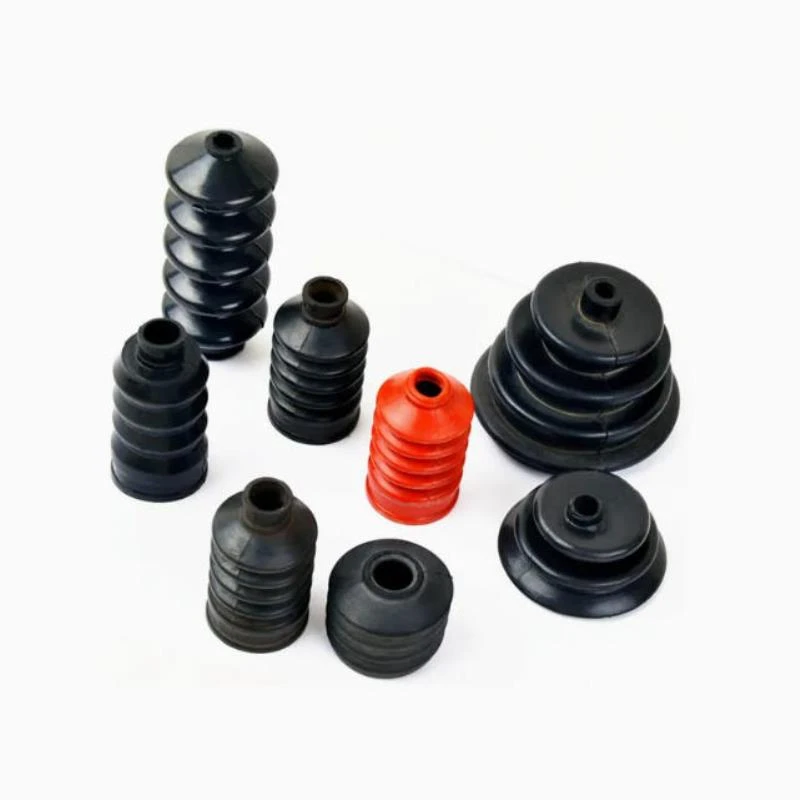

What Are Bellows Anyway?
Before we jump into the lab stuff, let's quickly cover what bellows are. Bellows are basically flexible containers that can expand and contract. They're used to move air or other fluids. You can find different types of bellows, like Hydraulic Bellows, Toroidal (Ω - shaped) Bellows, and Machined Bellows. Each type has its own unique features and applications.
Why Bellows in the Lab?
1. Precision Fluid Handling
In a laboratory, precision is key. Bellows are great for handling small amounts of fluids accurately. For example, when you're working with chemicals in a titration experiment, you need to add the titrant drop - by - drop. A bellows can be used to control the flow of the liquid precisely. You can squeeze the bellows gently to release a tiny amount of fluid, ensuring that your experiment gets the exact amount it needs. This level of control is hard to achieve with other methods, like pouring from a beaker.
2. Air and Gas Transfer
Bellows can also be used to transfer air or gases in a lab. Maybe you're conducting an experiment that requires a specific gas to be introduced into a chamber. A bellows can be used to pump the gas into the chamber at a controlled rate. It's a simple and effective way to move gases without the need for complex machinery. Plus, you can use bellows made from materials that are compatible with different gases, so you don't have to worry about chemical reactions.
3. Isolation and Protection
Some experiments need to be isolated from the outside environment. Bellows can act as a barrier to prevent contaminants from entering the experimental area. For instance, in a cleanroom environment where you're working with sensitive biological samples, a bellows - based system can be used to create a sealed connection between different parts of the equipment. This helps maintain the purity of the sample and ensures the accuracy of the results.
Types of Bellows for Lab Use
Hydraulic Bellows
Hydraulic Bellows are designed to work with hydraulic systems. In a lab, they can be used in hydraulic presses or other equipment that requires the transfer of hydraulic fluid. These bellows are made from materials that can withstand high pressures, so they're reliable for heavy - duty lab applications. They're also very durable, which means you won't have to replace them often.
Toroidal (Ω - shaped) Bellows
Toroidal (Ω - shaped) Bellows have a unique shape that gives them some special properties. They can expand and contract in multiple directions, which makes them ideal for applications where you need flexibility. In a lab, they can be used in equipment that needs to move or adjust its position during an experiment. For example, in a robotic arm used for sample handling, toroidal bellows can provide the necessary flexibility and movement.
Machined Bellows
Machined Bellows are made with high precision. They have very accurate dimensions, which is crucial in a lab setting. These bellows can be used in instruments that require a high level of accuracy, like pressure sensors. The precise machining ensures that the bellows perform consistently, which is essential for reliable experimental results.
Considerations When Using Bellows in the Lab
Material Compatibility
It's important to choose the right material for your bellows based on the substances you'll be working with. For example, if you're handling strong acids, you'll need a bellows made from a material that's resistant to acid corrosion, like Teflon. Using the wrong material can lead to chemical reactions, which can damage the bellows and contaminate your experiment.
Size and Capacity
The size and capacity of the bellows also matter. You need to choose a bellows that can handle the amount of fluid or gas you need for your experiment. If you choose a bellows that's too small, you'll have to refill it frequently, which can be time - consuming. On the other hand, if it's too large, it might be difficult to control the flow accurately.
Maintenance
Like any equipment in a lab, bellows need to be maintained properly. Regular cleaning is important to prevent the buildup of contaminants. You also need to check for any signs of wear and tear, like cracks or leaks. If you notice any problems, it's best to replace the bellows right away to avoid any issues with your experiments.
How Our Bellows Can Benefit Your Lab
As a bellows supplier, we offer a wide range of bellows that are perfect for laboratory use. Our bellows are made with high - quality materials and are designed to meet the strict requirements of a lab environment. We can customize the bellows according to your specific needs, whether it's the size, shape, or material.
We understand that every lab experiment is unique, and we're here to provide you with the best solutions. Our team of experts can help you choose the right bellows for your application and answer any questions you might have.
Conclusion
So, to sum it up, bellows are definitely a useful tool in a laboratory setting. They offer precision fluid handling, air and gas transfer, and isolation and protection. With different types of bellows available, like Hydraulic Bellows, Toroidal (Ω - shaped) Bellows, and Machined Bellows, you can find the perfect one for your specific experiment.
If you're in the market for bellows for your lab, don't hesitate to reach out. We're here to help you with your procurement needs and ensure that you get the best bellows for your laboratory. Let's start a conversation about how our bellows can improve your lab operations.
References
- Laboratory Manual for Chemical Experiments, 3rd Edition
- Handbook of Fluid Handling in Laboratories
- Journal of Precision Instrumentation in Labs


