

As a trusted supplier of POM extruded parts, I understand the critical role that proper packaging plays in ensuring the quality and integrity of these components during transit and storage. POM, or polyoxymethylene, is a high-performance engineering plastic known for its excellent mechanical properties, low friction, and dimensional stability. However, these parts can be susceptible to damage if not packaged correctly. In this blog post, I will explore various packaging methods for POM extruded parts, highlighting their advantages and suitability for different scenarios.
Protective Packaging Materials
Bubble Wrap
Bubble wrap is a popular choice for protecting POM extruded parts due to its cushioning properties. The air-filled bubbles act as a shock absorber, reducing the risk of impact damage during shipping. It is particularly effective for small to medium-sized parts that are relatively lightweight. When using bubble wrap, ensure that the parts are completely wrapped, and the bubbles are facing the part to provide maximum protection.

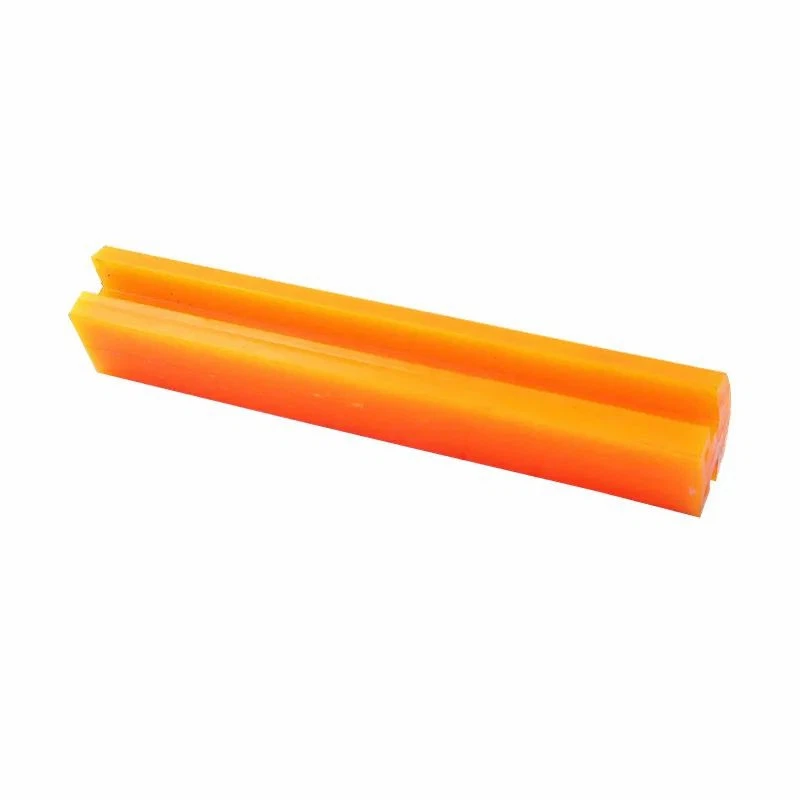
Foam Inserts
Foam inserts are another excellent option for protecting POM extruded parts. They can be custom-cut to fit the shape of the parts, providing a snug and secure fit. Foam inserts are available in various densities, allowing you to choose the appropriate level of protection based on the fragility of the parts. They are ideal for parts that are irregularly shaped or have delicate features.
Anti-Static Packaging
POM extruded parts can generate static electricity, which can attract dust and debris and potentially damage the parts. Anti-static packaging materials, such as anti-static bags and foam, are designed to dissipate static charges and prevent electrostatic discharge (ESD). These materials are essential for parts that are sensitive to ESD, such as electronic components or parts with precision surfaces.
Packaging Containers
Cardboard Boxes
Cardboard boxes are a cost-effective and versatile packaging solution for POM extruded parts. They are available in various sizes and can be easily customized with inserts or dividers to protect the parts. Cardboard boxes are also lightweight, which helps to reduce shipping costs. However, they may not provide sufficient protection for heavy or large parts, and they can be damaged by moisture.
Plastic Containers
Plastic containers are a more durable and moisture-resistant option for packaging POM extruded parts. They are available in a variety of shapes and sizes, including stackable containers, which can help to optimize storage space. Plastic containers can also be sealed to prevent dust and debris from entering, providing additional protection for the parts. However, they can be more expensive than cardboard boxes, and they may not be as environmentally friendly.
Wooden Crates
Wooden crates are a heavy-duty packaging solution for large or heavy POM extruded parts. They provide excellent protection against impact and vibration and can be customized to fit the specific requirements of the parts. Wooden crates are also reusable, which can help to reduce packaging waste. However, they are more expensive than cardboard boxes and plastic containers, and they can be heavy, which may increase shipping costs.
Packaging Techniques
Individual Wrapping
Individual wrapping involves wrapping each POM extruded part separately in a protective material, such as bubble wrap or anti-static film. This technique provides maximum protection for the parts and helps to prevent them from rubbing against each other during transit. Individual wrapping is particularly useful for parts that are fragile or have a high surface finish.
Group Packaging
Group packaging involves grouping multiple POM extruded parts together in a single package. This technique can help to reduce packaging costs and optimize shipping space. However, it is important to ensure that the parts are properly separated and protected to prevent damage. Group packaging is suitable for parts that are similar in size and shape and are not easily damaged.
Vacuum Packaging
Vacuum packaging involves removing the air from a package and sealing it to create a vacuum. This technique helps to protect the POM extruded parts from oxidation, moisture, and dust. Vacuum packaging is particularly useful for parts that are sensitive to environmental factors or have a long shelf life. However, it requires specialized equipment and may not be suitable for all types of parts.
Considerations for Packaging POM Extruded Parts
Part Size and Weight
The size and weight of the POM extruded parts will determine the type of packaging materials and containers that are most suitable. Larger and heavier parts will require more robust packaging solutions, such as wooden crates or plastic containers, while smaller and lighter parts can be packaged in cardboard boxes or individual wrapping.
Part Shape and Complexity
The shape and complexity of the POM extruded parts will also affect the packaging method. Irregularly shaped or complex parts may require custom-cut foam inserts or individual wrapping to ensure proper protection. Parts with delicate features or precision surfaces may require anti-static packaging to prevent damage.
Shipping Conditions
The shipping conditions, such as the distance, mode of transportation, and handling, will also need to be considered when choosing a packaging method. Parts that are being shipped long distances or by air may require more protective packaging to withstand the rigors of transportation. Parts that are being handled roughly or exposed to extreme temperatures may also require additional protection.
Environmental Impact
In today's environmentally conscious world, it is important to consider the environmental impact of the packaging materials and methods. Choose packaging materials that are recyclable, reusable, or biodegradable to reduce waste and minimize the carbon footprint. Consider using packaging techniques that require less material or energy, such as vacuum packaging or group packaging.
Conclusion
Proper packaging is essential for ensuring the quality and integrity of POM extruded parts during transit and storage. By choosing the right packaging materials, containers, and techniques, you can protect your parts from damage, reduce shipping costs, and optimize storage space. As a supplier of POM extruded parts, I am committed to providing high-quality products and packaging solutions that meet the needs of my customers. If you have any questions or need assistance with packaging your POM extruded parts, please do not hesitate to contact me. I would be happy to discuss your specific requirements and recommend the most suitable packaging method for your parts.
If you are interested in exploring other types of extruded parts, you can visit our websites for Polyurethane Extruded Parts and Nylon Extruded Parts. For more information about our POM Extruded Parts, please feel free to reach out to us for procurement discussions.
References
- "Packaging Design for Plastics Parts" by the Society of Plastics Engineers
- "Handbook of Plastic Materials and Technology" by Irvin I. Rubin
- "Plastic Extrusion Technology" by Allan A. Griff


