

Can POM extruded parts be colored? That's a question I get asked a lot as a POM Extruded Parts supplier. And the short answer is yes, they can! In this blog post, I'll dive into the details of coloring POM extruded parts, including how it's done, the benefits, and some considerations.
First off, let's talk about what POM is. POM, or polyoxymethylene, is a high-performance engineering plastic known for its excellent mechanical properties, such as high stiffness, low friction, and good dimensional stability. It's widely used in various industries, including automotive, electronics, and consumer goods. POM extruded parts are made by forcing molten POM through a die to create a continuous shape, like rods, tubes, or profiles. You can learn more about POM Extruded Parts on our website.
Now, onto the coloring process. There are a few different ways to color POM extruded parts. One common method is to use color concentrates. These are small pellets that contain a high concentration of pigment. When added to the raw POM material during the extrusion process, the color concentrate disperses evenly throughout the molten plastic, giving the final part a uniform color. The advantage of using color concentrates is that they're easy to handle and can be customized to achieve a wide range of colors.
Another method is to use pre-colored POM resin. This is POM resin that has already been colored at the manufacturing stage. Using pre-colored resin can be more convenient because you don't have to worry about adding color concentrates during the extrusion process. However, the color options may be more limited compared to using color concentrates.
So, why would you want to color POM extruded parts? There are several benefits. For one, coloring can enhance the aesthetic appeal of the parts. In industries where appearance matters, such as consumer goods or automotive interiors, colored POM extruded parts can make a product look more attractive and professional.
Coloring can also serve a functional purpose. For example, in some applications, colored parts can be used for identification or coding. You could use different colors to distinguish between different types of parts or to indicate specific functions.
In addition, colored POM extruded parts can offer some protection against UV radiation. Some pigments have UV-blocking properties, which can help prevent the POM material from deteriorating over time when exposed to sunlight.
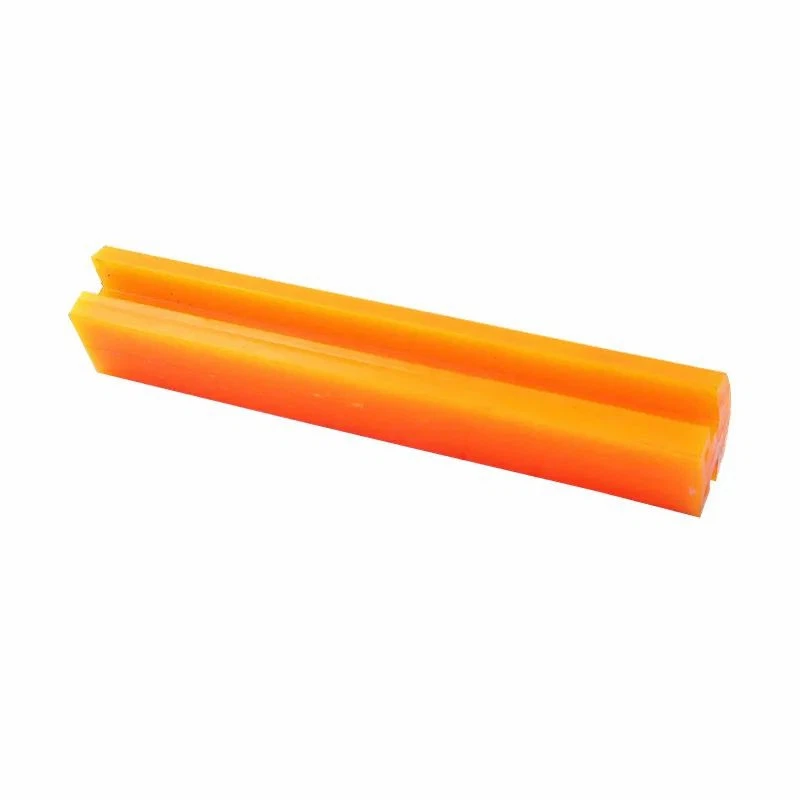

However, there are also some considerations when coloring POM extruded parts. One important factor is the effect of the coloring process on the mechanical properties of the POM. In general, adding color concentrates or using pre-colored resin shouldn't significantly affect the mechanical performance of the POM. But it's still a good idea to test the colored parts to make sure they meet the required specifications.
Another consideration is the cost. Coloring POM extruded parts can add to the overall cost of production. The cost will depend on factors such as the type of coloring method used, the amount of pigment required, and the complexity of the color. It's important to weigh the benefits of coloring against the additional cost to determine if it's worth it for your application.
It's also worth noting that not all colors are created equal when it comes to POM extruded parts. Some colors may be more difficult to achieve or may require special pigments. For example, bright or fluorescent colors can be more challenging to produce because they often require high concentrations of pigment, which can affect the flow properties of the molten POM during extrusion.
When comparing POM extruded parts to other types of extruded parts, such as Nylon Extruded Parts or Polyurethane Extruded Parts, the coloring process is generally similar. However, each material has its own unique characteristics, so the specific coloring methods and considerations may vary.
In conclusion, POM extruded parts can definitely be colored, and there are several benefits to doing so. Whether you're looking to enhance the appearance of your products, add functionality, or protect against UV radiation, coloring POM extruded parts can be a great option. Just make sure to consider the potential impact on mechanical properties and cost, and choose the coloring method that's best for your application.
If you're interested in purchasing POM extruded parts or have any questions about coloring them, don't hesitate to reach out. We're here to help you find the right solution for your needs.
References
- Plastics Technology Handbook, Third Edition, by Donald V. Rosato, Dominick V. Rosato, and Michael G. Rosato
- Engineering Plastics: Properties and Applications, by Charles A. Harper


