

As a bellows supplier, I am often asked about the safety features built into our products. Bellows are versatile components used in a wide range of industries, from automotive to aerospace, and their safety features are crucial for ensuring reliable and secure operation. In this blog post, I will explore the various safety features that are commonly incorporated into bellows and explain how they contribute to the overall performance and safety of the systems in which they are used.
Material Selection
One of the most fundamental safety features of bellows lies in the careful selection of materials. Different applications require different properties from the bellows, such as flexibility, durability, chemical resistance, and temperature tolerance. At our company, we offer a variety of materials to meet the diverse needs of our customers, including rubber, metal, and composite materials.
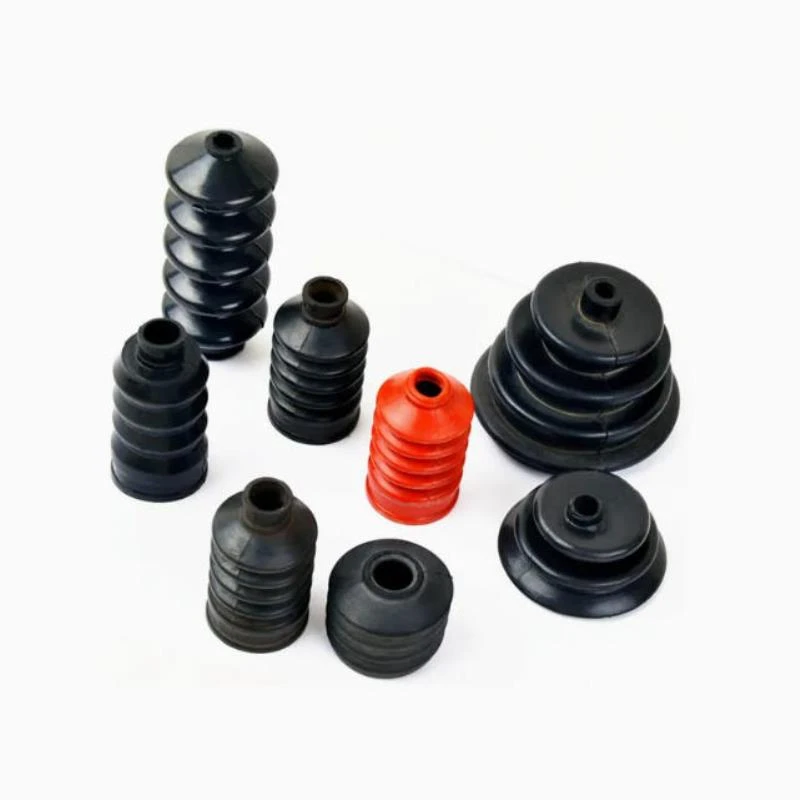
Rubber bellows are known for their excellent flexibility and sealing properties. They can withstand a wide range of temperatures and environmental conditions, making them suitable for many applications. For example, our U - shaped Bellows made from high - quality rubber are designed to provide a tight seal and protect sensitive components from dust, dirt, and moisture. The rubber material is also resistant to many chemicals, which is essential in industrial environments where exposure to corrosive substances is common.

Metal bellows, on the other hand, offer high strength and durability. They are often used in applications where high pressure or high - temperature resistance is required. Stainless steel bellows, for instance, can withstand extreme temperatures and pressures, making them ideal for use in aerospace and automotive engines. The inherent strength of the metal also provides protection against mechanical damage, ensuring the long - term reliability of the bellows.
Composite bellows combine the advantages of different materials. They can be engineered to have specific properties, such as a combination of flexibility and high - temperature resistance. This allows for a more customized solution that meets the unique safety requirements of a particular application.
Design and Construction
The design and construction of bellows play a significant role in their safety features. Our bellows are designed with precision to ensure optimal performance and reliability.
One important design feature is the corrugation pattern. The corrugations in a bellows provide flexibility and allow it to expand and contract without losing its structural integrity. The shape and size of the corrugations are carefully engineered to meet the specific requirements of the application. For example, in Machined Bellows, the corrugations are precisely machined to ensure a consistent and uniform shape, which is crucial for maintaining a tight seal and preventing leaks.
Another design consideration is the end connections. The end connections of a bellows must be securely attached to the mating components to prevent separation or leakage. We use a variety of connection methods, such as welding, brazing, and mechanical fastening, depending on the material and application. For example, in hydraulic systems, the end connections of Hydraulic Bellows are designed to withstand high - pressure fluid flow and are often welded to ensure a leak - free connection.
In addition, our bellows are designed with safety margins in mind. This means that they are engineered to withstand higher pressures, temperatures, and mechanical loads than the normal operating conditions of the application. This provides an extra layer of protection and reduces the risk of failure.
Testing and Quality Control
To ensure the safety and reliability of our bellows, we have a rigorous testing and quality control process in place. Every bellows that leaves our factory undergoes a series of tests to verify its performance and compliance with industry standards.
Pressure testing is one of the most important tests. We subject the bellows to a range of pressures to ensure that they can withstand the maximum pressure expected in the application without leaking or failing. This test is crucial for applications such as hydraulic systems, where a pressure failure can have serious consequences.
We also conduct temperature testing to ensure that the bellows can operate within the specified temperature range. This is important for applications in extreme environments, such as in automotive engines or aerospace components.
In addition to these physical tests, we also perform non - destructive testing methods, such as ultrasonic testing and X - ray inspection, to detect any internal defects or flaws in the bellows. This helps us to identify and eliminate any potential safety hazards before the bellows are shipped to our customers.
Safety in Different Applications
The safety features of bellows are particularly important in different applications.
In the automotive industry, bellows are used in various components, such as exhaust systems and suspension systems. In exhaust systems, bellows help to absorb vibrations and thermal expansion, which reduces stress on the exhaust pipes and prevents leaks. This is important for both the performance of the vehicle and the safety of the passengers, as a leaking exhaust system can release harmful gases into the cabin. In suspension systems, bellows provide a cushioning effect, which improves the ride comfort and handling of the vehicle. They also protect the suspension components from dirt and moisture, which helps to extend their lifespan.
In the aerospace industry, bellows are used in critical components, such as fuel systems and hydraulic systems. In fuel systems, bellows are used to ensure a tight seal and prevent fuel leakage, which is essential for the safety of the aircraft. In hydraulic systems, bellows help to maintain the pressure and flow of the hydraulic fluid, which is crucial for the operation of the aircraft's control surfaces.
In industrial applications, bellows are used in a wide range of equipment, such as pumps, valves, and conveyors. In pumps, bellows help to seal the pump shaft and prevent leakage of the pumped fluid. This is important for both the efficiency of the pump and the safety of the workers, as a leaking pump can cause environmental contamination and pose a safety hazard. In valves, bellows are used to control the flow of fluids and gases, and their reliable operation is essential for the proper functioning of the industrial process.
Contact Us for Your Bellows Needs
If you are in need of high - quality bellows with reliable safety features, we are here to help. Our team of experts can work with you to understand your specific requirements and recommend the best bellows solution for your application. We offer a wide range of bellows products, including Machined Bellows, U - shaped Bellows, and Hydraulic Bellows, all of which are designed and manufactured to the highest standards of safety and performance. Contact us today to start a discussion about your bellows procurement needs.
References
- ASME Boiler and Pressure Vessel Code
- ISO standards for rubber and metal components
- Automotive industry standards for exhaust and suspension systems
- Aerospace industry standards for fuel and hydraulic systems


